
Roblox Coding Course
About This Course
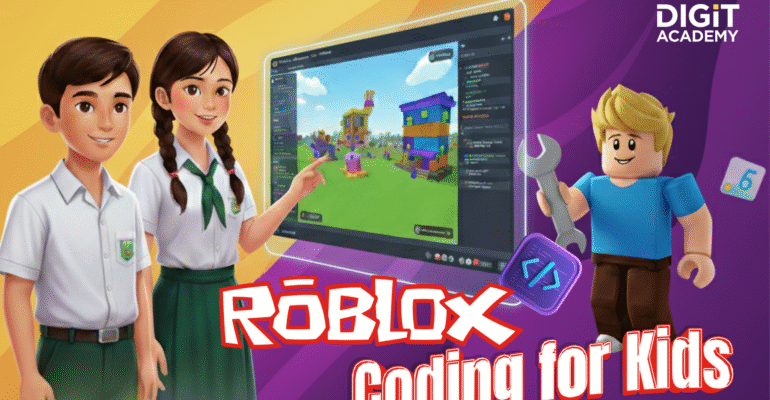
ဤ Roblox Coding Course သည် Visual Blocks မှ Text-based Coding သို့ ကူးပြောင်းရန် အသင့်ဖြစ်နေသော Elementary Students များ (အသက် ၁၀ နှစ် မှ ၁၂ နှစ်) အတွက် ဒီဇိုင်းထုတ်ထားပါသည်။ ကျောင်းသားများသည် Block-based Coding Platform မှတစ်ဆင့် Lua Programming Language ကို သင်ယူရပြီး ထူးခြားသော 3D Games များကို ဖန်တီးရန်အတွက် Roblox Studio အတွင်း အသုံးချရမည်။
📘 Course Description
ဤ Course သည် Roblox Platform အတွင်းရှိ ဂိမ်းဖန်တီးမှု Process တစ်ခုလုံးအပေါ် အာရုံစိုက်ထားပါသည်။ ကလေးများသည် Code Kingdoms Platform ကို အသုံးပြု၍ Games များ ဖန်တီးရန် စတင်လေ့လာကြရမည်ဖြစ်သည်။ Roblox Studio တွင် ၎င်းတို့သည် 3D Game Environments များ ဖန်တီးရန်၊ Characters နှင့် Elements များကို ထိန်းချုပ်ရန် Lua Coding Logic ကို အသုံးချရန်နှင့် ထူးခြားသော Virtual World တစ်ခုကို ဖန်တီးရန်အတွက် Object Properties များကို ချိန်ညှိရန် သင်ယူကြမည်ဖြစ်သည်။
သင်ရိုးညွှန်းတမ်းသည် စိတ်ကူးများ စဉ်းစားချင့်ချိန်ခြင်း (Conceptualizing Ideas) နှင့် Game Mechanics များ ဒီဇိုင်းဆွဲခြင်းမှ Testing နှင့် Refining လုပ်ခြင်းအထိ Stage တိုင်းကို နက်နက်နဲနဲ လေ့လာနိုင်မှာ ဖြစ်ပါတယ်။ Multiplayer Synchronization ကဲ့သို့သော ရှုပ်ထွေးသည့် Skills များကို အလေးပေးခြင်းဖြင့်၊ Course သည် Creative Thinking၊ Game Management Skills နှင့် Advanced Coding Techniques များကို မြှင့်တင်ရန် ရည်ရွယ်ထားပါသည်။
✨ Key Learning Objectives (အဓိက သင်ယူမှု ရည်မှန်းချက်များ)
-
3D Modeling & Environment (3D Model နှင့် Environment):Roblox Platform တွင် 3D Models များကို ဖန်တီးပြီး အသုံးချရန်၊ ထူးခြားသော Game Environments နှင့် Elements များကို ဒီဇိုင်းဆွဲရန် သင်ယူရမည်ဖြစ်သည်။
-
Lua Programming Mastery (Lua Programming ကျွမ်းကျင်မှု):Lua Programming နှင့် Game Development တို့တွင် အဓိကကျသော Skills များကို ကျွမ်းကျင်လာပြီး Game Characters နှင့် Objects များကို ထိရောက်စွာ ထိန်းချုပ်နိုင်လာမည်ဖြစ်သည်။
-
Multiplayer Design (Multiplayer ဒီဇိုင်း):Multiplayer Game System Design ကို ကျွမ်းကျင်လာပြီး အပြန်အလှန် တုံ့ပြန်မှုရှိသော (Interactive) နှင့် စိန်ခေါ်မှုများပြည့်နေသော ယှဉ်ပြိုင်နိုင်သည့် Games များကို ဖန်တီးရမည်ဖြစ်သည်။
-
Full Development Cycle (အပြည့်အဝ ဖန်တီးမှု စက်ဝန်း): နေ့စဉ် စိတ်ကူးများကို စွဲမက်ဖွယ်၊ လုပ်ဆောင်နိုင်သော Game Projects များအဖြစ် ပြောင်းလဲပေးသည့် ပြည့်စုံသော Game Development Process ကို တွေ့ကြုံခံစားရမည်ဖြစ်သည်။
📚 Curriculum Outline
သင်ရိုးညွှန်းတမ်းကို အခြေခံ Environment Familiarization နှင့် Lua Syntax မှ Large-scale Game Design နှင့် AI Integration အထိ အဆင့် (၅) ဆင့်ဖြင့် ခွဲခြားထားပါသည်။
Level 1: Exploring Roblox Studio and LUA Programming (Roblox Studio နှင့် LUA Programming ကို လေ့လာခြင်း)
ကျောင်းသားများသည် Roblox Studio Operations များနှင့် ရင်းနှီးကျွမ်းဝင်လာမည်၊ Game Scenes များ Set up ပြုလုပ်ရမည်ဖြစ်ပြီး အဓိက LUA Programming Concepts များကို နားလည်သိရှိလာမည်ဖြစ်သည်။ ၎င်းတို့သည် Mini-games များ ဖန်တီးရန် လိုအပ်သော အခြေခံ Structure နှင့် Logic များကို လေ့လာရမည်ဖြစ်သည်။
-
3D Environment (3D Environment):Modeling Techniques များကို အသုံးပြု၍ အမျိုးမျိုးသော Structures များကို ဖန်တီးရန်နှင့် 3D Game Environments များကို ဒီဇိုင်းဆွဲရန် သင်ယူရမည်။
-
Basic Lua Syntax (အခြေခံ Lua Syntax):Game Checkpoints များ ဒီဇိုင်းဆွဲခြင်းကဲ့သို့သော Game Scenes များနှင့် Interact လုပ်ရန် LUA Programming Syntax ကို ကျွမ်းကျင်လာမှာဖြစ်ပါတယ်။
-
Object Duplication (Object ပုံတူကူးခြင်း):Random Coin Drops ကဲ့သို့သော သာမန် Game Elements များကို ဖန်တီးရန် Object Duplication Concepts များကို အသုံးချကာ ဂိမ်းပျော်ရွှင်မှုကို မြှင့်တင်ခြင်းများ ကိုလေ့လာရမှာဖြစ်ပါတယ်။
Level 2: Mastering Multiplayer Game Design and Data Processing (Multiplayer Game Design နှင့် Data Processing ကို ကျွမ်းကျင်ပိုင်နိုင်ခြင်း)
ဤအဆင့်သည် Real-time Interactive Multiplayer Games များ ဖန်တီးခြင်းကို ပိုမိုနက်နက်နဲနဲ လေ့လာရမှာဖြစ်ပါတယ်။ ကျောင်းသားများသည် Data Processing မှတစ်ဆင့် Experience ကို မည်သို့ စီမံခန့်ခွဲရမည်နှင့် ယှဉ်ပြိုင်နိုင်သော Elements များကို မည်သို့ ဖန်တီးရမည်ကို သင်ယူရမှာဖြစ်ပါတယ်။
-
Physics Integration (ရူပဗေဒ ပေါင်းစပ်မှု):Projectile Motion နှင့် Vehicle Acceleration Controls ကဲ့သို့သော Real-world Physics Concepts များကို Game Design တွင် ပေါင်းစပ်ခြင်းများ။
-
Multiplayer Synchronization (Multiplayer ထပ်တူပြုခြင်း):Players အားလုံးသည် Game Changes နှင့် Events များကို တစ်ပြိုင်တည်း ရရှိနိုင်စေရန် Multiplayer Game Systems များကို ဒီဇိုင်းဆွဲခြင်း။
-
Competitive Elements (ယှဉ်ပြိုင်နိုင်သော Elements များ): ဂိမ်းအတွင်း Interaction ကို မြှင့်တင်ရန် Capture-the-flag ကဲ့သို့သော ယှဉ်ပြိုင်နိုင်သည့် Game Elements များကို ဖန်တီးရမှာဖြစ်ပါတယ်။
Level 3: Game Level Design and Character Skill Implementation (ဂိမ်း Level ဒီဇိုင်းနှင့် ဇာတ်ကောင် Skill အကောင်အထည်ဖော်မှု)
ကျောင်းသားများသည် ဇာတ်ကောင် စွမ်းရည်များ (Character Abilities) ဒီဇိုင်းဆွဲခြင်း၊ အသေးစိတ် Game Levels များ တည်ဆောက်ခြင်းနှင့် Complex Gameplay များ ဖန်တီးရန်အတွက် Visual Effects များ မြှင့်တင်ခြင်းအတွက် Advanced Techniques များကို ကျွမ်းကျင်လာမည်ဖြစ်သည်။
-
Special Abilities (အထူး စွမ်းရည်များ):Dashing၊ Wall Jumps နှင့် Double Jumps ကဲ့သို့သော Player Characters များအတွက် မတူညီသော Special Abilities များကို ဖန်တီးရမည်ဖြစ်သည်။
-
Level Progression (Level တိုးတက်မှု):Players များအား စွမ်းရည်နှင့် ပစ္စည်းကိရိယာများ (Abilities and Equipment) ကို Upgrade လုပ်ခွင့်ပေးသည့် Progression System ကို ထည့်သွင်း၍ မတူညီသော ခက်ခဲမှုများရှိသော Game Levels များကို တည်ဆောက်ရန် သင်ယူရမည်။
-
Visual Effects (Visual Effects):Weapon Skills နှင့် Monster Models များကို ဖန်တီးရမည်ဖြစ်ပြီး ၎င်းတို့၏ Special Moves များအတွက် Custom Animations များကို ဒီဇိုင်းဆွဲကာ Visual Appeal ကို မြှင့်တင်ခြင်း စတာတွေကို လေ့လာရမှာဖြစ်ပါတယ်။
Level 4: Large-Scale Game Design and Multi-Layered Gameplay Development (Large-Scale Game Design နှင့် Multi-Layered Gameplay ဖန်တီးမှု)
ဤ Advanced Stage တွင် ကလေးများသည် ယခင်က သင်ယူခဲ့သော Concepts များကို အသုံးချ၍ Multiple Game Elements နှင့် Player Information များကို စီမံခန့်ခွဲကာ Tower Defense နှင့် Role-Playing Games (RPG) ကဲ့သို့သော Large-scale Games များကို ဖန်တီးကြမည်ဖြစ်သည်။
-
Turn-Based Strategy (အလှည့်ကျ Strategy):Monsters နှင့် Defense Towers များအတွက် Upgrade Systems များကို ထည့်သွင်း၍ Turn-based Tower Defense Games များကို ဒီဇိုင်းဆွဲခြင်းများ။
-
Open-World RPG (Open-World RPG): မတူညီသော Character Class Options နှင့် Ability Point Systems မှတစ်ဆင့် အမျိုးမျိုးသော Gameplay Experiences များကို ဖန်တီး၍ Open-World RPGs များကို ဖန်တီးခြင်း။
-
Map and Perspective (မြေပုံနှင့် ရှုထောင့်):Game Map Design Skills များကို မြှင့်တင်ရပြီး တိုက်ခိုက်မှု အဆင့်များ (Combat Sequences) အတွင်း Perspective Choices များကို သိရှိလာမည်ဖြစ်သည်။
Level 5: Advanced Game Design and Artificial Intelligence (AI) System Integration (အဆင့်မြင့် Game Design နှင့် Artificial Intelligence (AI) System ပေါင်းစပ်မှု)
ဤနောက်ဆုံးအဆင့်သည် Intelligent Character Behaviors များ ဒီဇိုင်းဆွဲခြင်းမှ ရှုပ်ထွေးသော Systems များ ပေါင်းစပ်ခြင်းအထိ Game Development တွင် AI ကို အသုံးချခြင်းကို လေ့လာကာ Game Depth နှင့် Interaction ကို သိသိသာသာ မြှင့်တင်ပေးခြင်းကို လေ့လာနိုင်မှာဖြစ်ပါတယ်။
-
AI Algorithms (AI Algorithms များ):Intelligent Enemy Detection နှင့် Tracking Systems များကို ဖန်တီးရန် AI Algorithms များကို အသုံးချခြင်း။
-
Navigation Systems (လမ်းညွှန်မှု စနစ်များ):Complex Game Environments များတွင် Players များအား လမ်းကြောင်းရှာရာ၌ အထောက်အကူပြုရန် Mini-maps နှင့် Radar Systems များကို ဂိမ်းများတွင် အကောင်အထည်ဖော်ထည့်သွင်းခြင်း။
-
Cooperative Design (ပူးပေါင်းဆောင်ရွက်မှု ဒီဇိုင်း): အမျိုးမျိုးသော Game Mechanics များကို ပေါင်းစပ်၍ Cooperative Multiplayer Puzzle-solving Games များကို ဖန်တီးခြင်း တို့ကို လေ့လာရမှာဖြစ်ပါတယ်။
Your Instructors

Digit Academy
See more350,000 Ks
Artificial Intelligence (AI) Course
350,000 Ks
Arduino Robotics Course
400,000 Ks
mBot Robotics Course
350,000 Ks